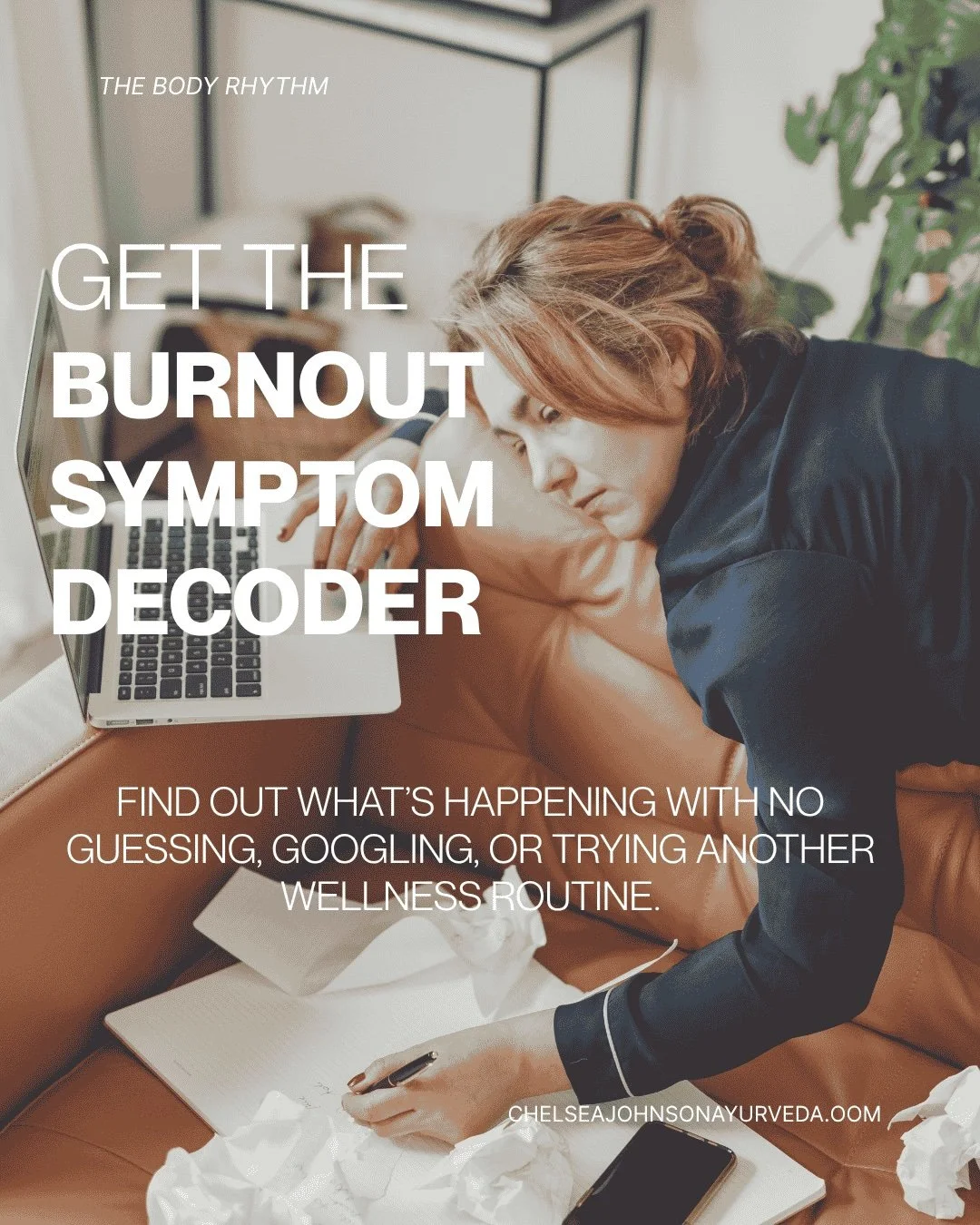
You slept badly, skipped breakfast, answered messages through lunch, and came home to more decisions. Nothing went wrong. So why are you this tired? Many female stress symptoms grow out of days we'd call normal. In this episode, The Stress You Haven't Been Counting, I look at what your body has been carrying all along.
When someone asks if you're stressed, you probably think of the big things, like your job or a hard season in your family. The smaller demands rarely make the list, things like a short night of sleep, a skipped lunch, a phone that keeps buzzing, or a conversation you keep replaying in your head. On their own, none of them seems like much. Together, they add up to a load your body manages all day, every day.
Stress lives in your physical body, your mind, your emotions, and your surroundings, and each layer feeds the others. One rough night means you walk into the next day with less to give and a shorter fuse. Day after day, year after year, the pile grows. For many women it catches up in our 40s, 50s and 60s, when our hormones no longer buffer us the way they did when we were younger.
Stress is part of life, and some of it is good for us. Trouble starts when the demands keep outpacing recovery. And rest doesn't always mean recovery. If your mind is planning tomorrow while your show plays, your body is still on duty.
Ayurveda looks at this whole pattern. Irregular meals weaken agni, your digestive fire, which can make bloating, heartburn or constipation worse. Moving from task to task all day stirs up vata, the energy of movement and change, and leaves you scattered and restless. Over time this drains ojas, the deep vitality that keeps you well. Steady, predictable rhythms help your nervous system regulate, because it starts to know what to expect.
Try this today: Before you reach for your phone tomorrow morning, put your feet on the floor and your hand on your heart for a few breaths. Let your nervous system start the day before your notifications do.
Takeaways:
Why a "normal" day can still wear you down and the kinds of stress that never make your list
The gap that matters more than the stress itself and how it shrinks a little more each week
Why one small rhythm beats a full overhaul and where to start when your days already feel full
You can't recover from stress you haven't recognized.
If the stress pile-up has been building for years, check out the post on how to recover from burnout without quitting your job.