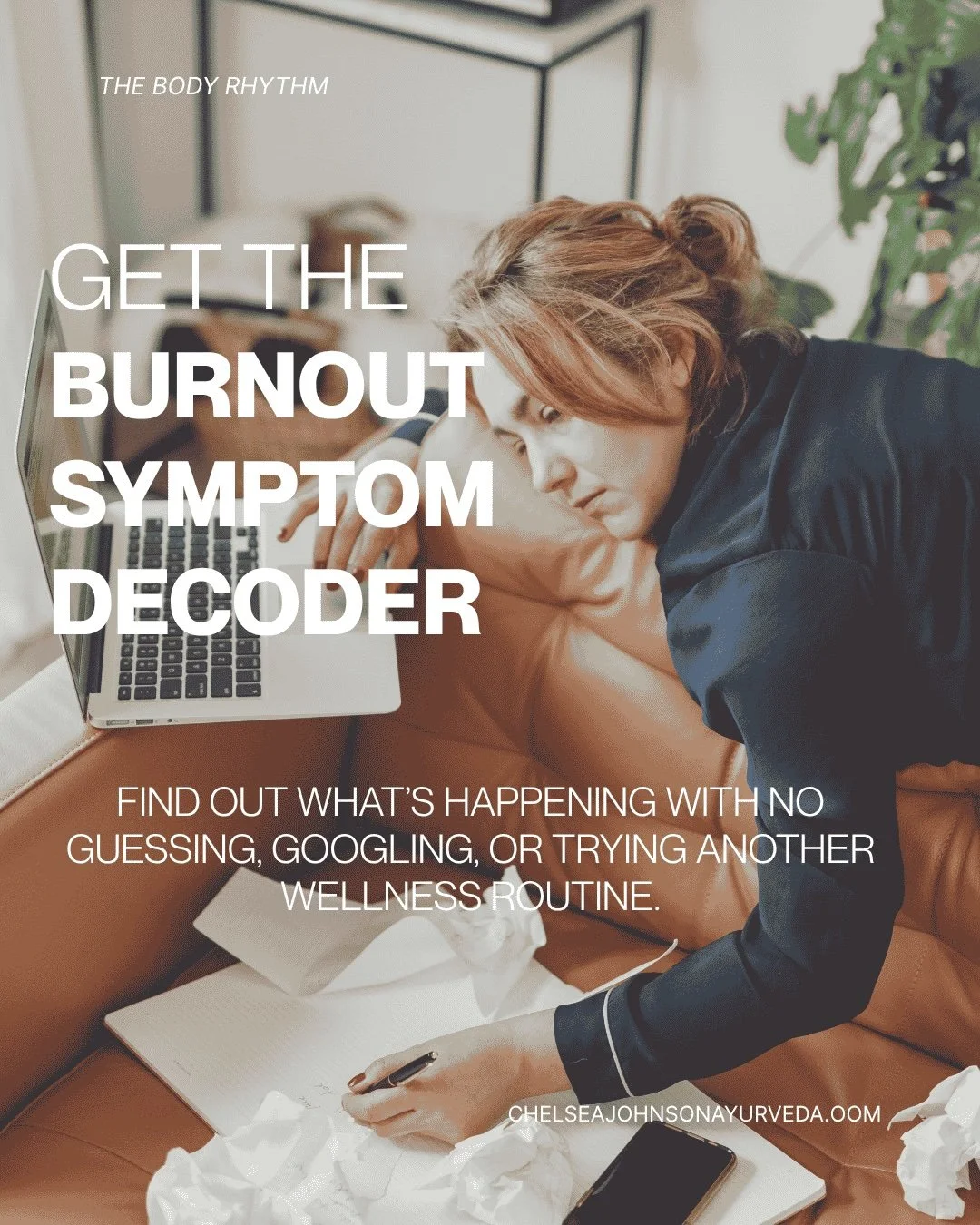
What Happens to Your Body When You Suppress Your Emotions
You finally arrive at a quiet weekend, a vacation, a moment with nothing demanding you. And instead of relaxing, you feel restless, unsettled, like stillness itself is wrong somehow. Real emotional wellness isn't about avoiding that moment or pushing through it. It's what happens on the other side, when your body finally feels safe enough to let go of what it's been holding.
When your body has spent years in output mode, carrying everything, staying capable no matter what, slowing down doesn't automatically register as relief. It can feel unfamiliar, even unsafe. We live in a culture that rewards the kick-ass, hold-it-all-together woman and quietly sidelines the tender, soft, receptive one, so most of us learn to lead with capability and suppress whatever feels too slow or too vulnerable to show.
Over time, when emotion gets pushed down instead of processed, a kind of unprocessed residue settles into the bones, joints, muscles, and fascia. It comes from undigested emotional experience too, grief or stress that never fully moved through the body. And the soothers we reach for in the meantime (scrolling at midnight, food that isn't about hunger, one more episode, a drink to take the edge off) don't clear that backlog. They only postpone it, so the body has to get louder next time. The low level anxiety, the less predictable digestion, the 3am wake-up that becomes normal.
For a woman in stress, these are some of the quieter, easy-to-miss female stress symptoms, the ones that don't look like a breakdown from the outside. Ayurveda asks a different question here than most wellness frameworks do. Not where you should be or where you'll be once you've fixed everything, but vikruti, where you actually are right now, in this season. You can't move toward balance from a place you're pretending you're not in.
Try this today: Try one thing that helps the body release rather than suppress. Extend your exhale longer than your inhale for a few breaths, put on music and dance for two minutes, or just sit with the question of what you haven't wanted to feel. No fixing required, just noticing.
Takeaways:
Why relaxing can trigger anxiety instead of calm in a nervous system that's been in output mode too long
What's actually happening in your body chemically when you cry (it's not what you'd think)
The Ayurvedic question most wellness approaches skip entirely
If reaching for something to soothe the noise (food, scrolling, staying busy) sounds familiar, here's how to recover from burnout without quitting your job, the same suppression pattern is often underneath both.